0
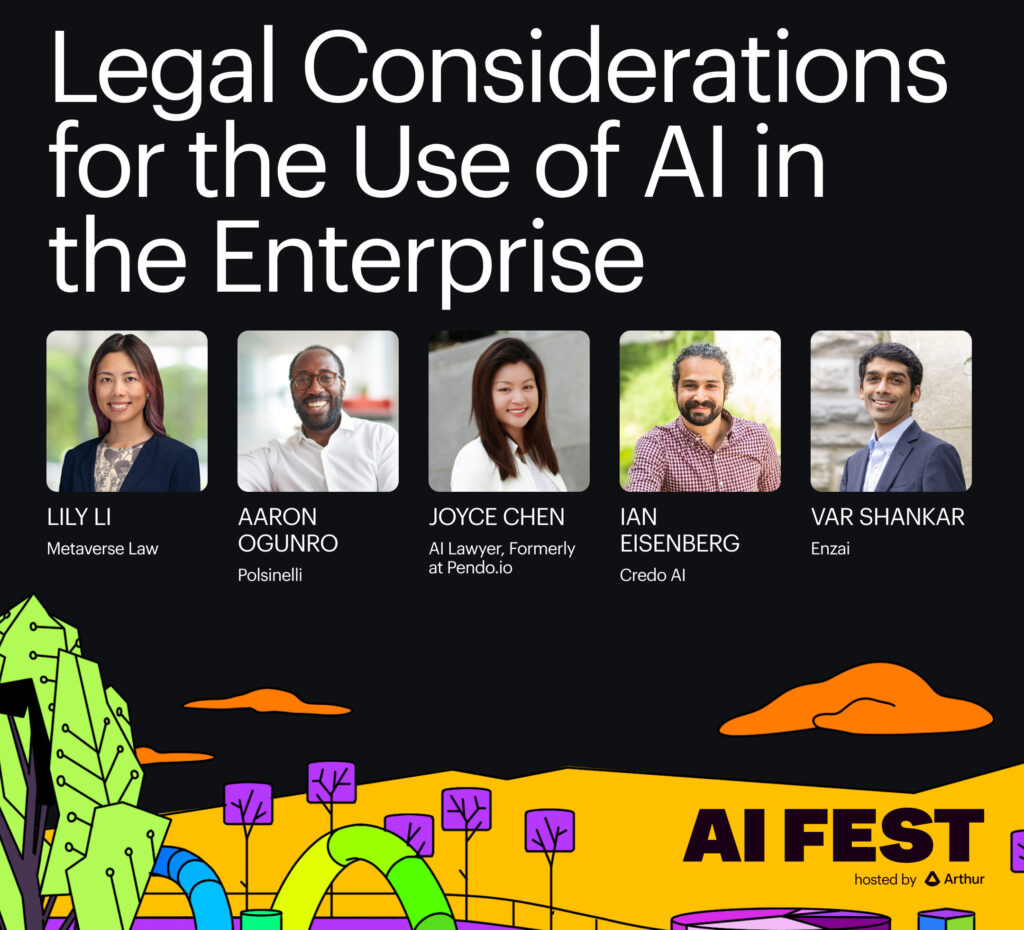
Graphic for Arthur AI Fest.

Metaverse Law at AI Fest

Metaverse Law’s Lily Li recently spoke at Arthur’s inaugural AI Fest. Lily was on a panel that spoke about legal considerations for enterprise use of AI.

The panel explored the complex legal landscape surrounding AI adoption in business. The expert panelists discussed regulatory compliance, data privacy, intellectual property, and ethical concerns, providing actionable insights for companies integrating AI into their operations. Attendees gained a deeper understanding of the potential legal risks and how to navigate them effectively to ensure responsible and compliant AI use in the enterprise.

Click here to view a recording of the session.

Flyer for Arthur AI Fest discussion titled "Legal Considerations for the Use of AI in the Enterprise."

If you would like to discuss your company’s use of AI, please email us at Info@MetaverseLaw.com to schedule a consultation.

0
Flyer for the Risk Digital UK/EU global livestream featuring an image of Lily Li, Founder/President of Metaverse Law Corporation.

Metaverse Law Presents at #RISK DIGITAL UK/EU

Metaverse Law’s Lily Li recently spoke at the #Risk Digital UK/EU global livestream last week
for two sessions: “A New Era of AI Governance” and “The Role of
Technology in Modern Governance, Risk and Compliance.”

Lily’s presentations included an overview about artificial
intelligence risks and discussed the latest developments in European
Union and United States AI legislation and regulations. Major
developments in the US include:
— NY and Illinois AI bias legislation in employment
— Colorado comprehensive AI legislation
— California AI bills that have recently passed the legislature.

Lily also touched on how the results of the U.S. presidential election
could impact the AI landscape, either through changes in FTC priority
and state legislation, and the need for AI risk management and
governance programs.

The law in this area is developing very quickly and will affect
businesses in almost every industry. Keeping up with these changes is
critical as businesses deploy and integrate AI into everyday operations.

You can learn more about #Risk Digital and watch on-demand content by clicking on the link: https://www.grcworldforums.com/risk/risk-digital

#Risk Digital is one of a number of conferences organized by GRC World
Forums, a producer of in-person and livestream educational events for
governance, risk and compliance professionals.

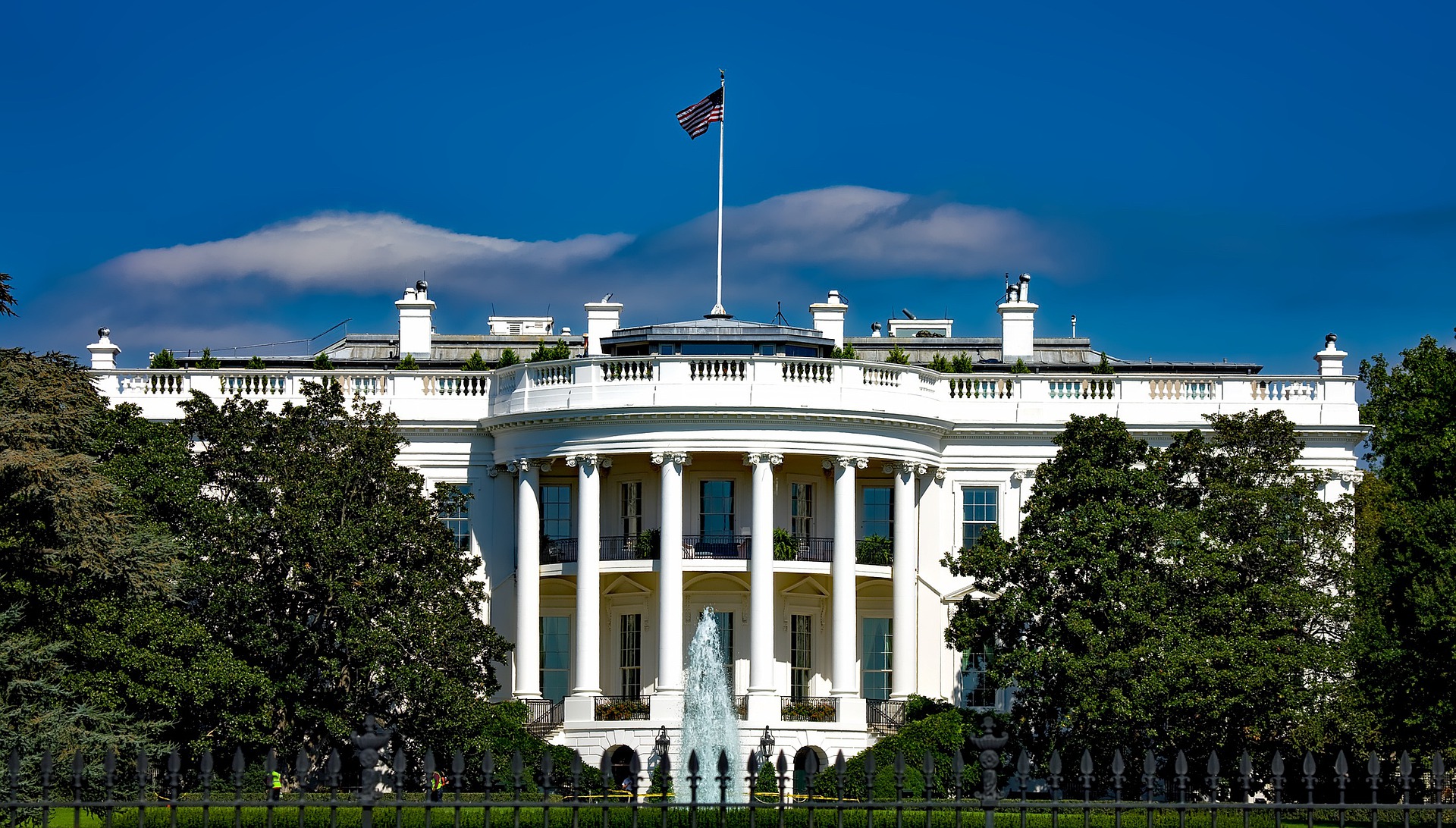
Photo of the front of The White House and lanscaping in front of The White House.

THE WHITE HOUSE’S BLUEPRINT FOR AI BILL OF RIGHTS

Image by David Mark from Pixabay.

In 2021, the global artificial intelligence (AI) market was estimated to value between USD 59.7 billion and USD 93.5 billion. Going forward, it is expected to expand at a compound annual growth rate of 39.4% to reach USD 422.37 billion by 2028.

However, as financial and efficiency incentives drive AI innovation, AI adoption has given rise to potential harms. For example, Amazon’s machine-learning specialists discovered that their algorithm learned to penalize resumes that “included the word ‘women’s,’ as in ‘women’s chess club captain.’” As a result, Amazon’s AI system “taught itself that male candidates were preferable.”

As our compiled list of guidance on artificial intelligence and data protection indicates, policymakers and legislators have taken notice of these harms and moved to mitigate them. New York City enacted a bill regulating how employers and employment agencies use automated employment decision tools in making employment decisions. Colorado’s draft rules require controllers to explain the training data and logic used to create certain automated systems. In California, rulemakers must issue regulations requiring businesses to provide “meaningful information about the logic” involved in automated decision-making processes.

In truth, the parties calling for AI regulation form a diverse alliance, including the Vatican, IBM, and the EU. Now, the White House joins these strange bedfellows by publishing the Blueprint for an AI Bill of Rights.

What is the Blueprint for AI Bill of Rights?

The Blueprint for AI Bill of Rights (“Blueprint”) is a non-binding white paper created by the White House Office of Science and Technology Policy. The Blueprint does not carry the force of law; rather, it is intended to spur development of policies and practices that protect civil rights and promote democratic values in AI systems. To that end, the Blueprint provides a list of five principles (discussed below) that – if incorporated in the design, use, and deployment of AI systems – will “protect the American public in the age of artificial intelligence.”

To be clear: failing to incorporate one of these principles will not give rise to a penalty under the Blueprint. Neither will adoption of the principles ensure satisfaction of requirements imposed by other laws.

However, the lack of compliance obligations should not inspire a willingness to ignore the Blueprint, for the authors expressly state that the document provides a framework for areas where existing law or policy do not already provide guidance. And given that many state privacy laws do not currently provide such guidance, the Blueprint provides a speculative glimpse at what state regulators may require of future AI systems.

The Blueprint’s Five Principles for AI Systems

Read More
Map of the United States - State Privacy Laws

And Then There Were Five…

Image Credit: Free-Photos from Pixabay.

Just last summer, in July of 2021, Colorado joined California and Virginia, and became the third U.S. state with a comprehensive consumer privacy law. The Colorado Privacy Act is set to take effect in July 2023.

Hot on its heels, and within just two months of each other, first Utah in March of 2022, now Connecticut in May of 2022, passed privacy bills which will become effective in 2023.

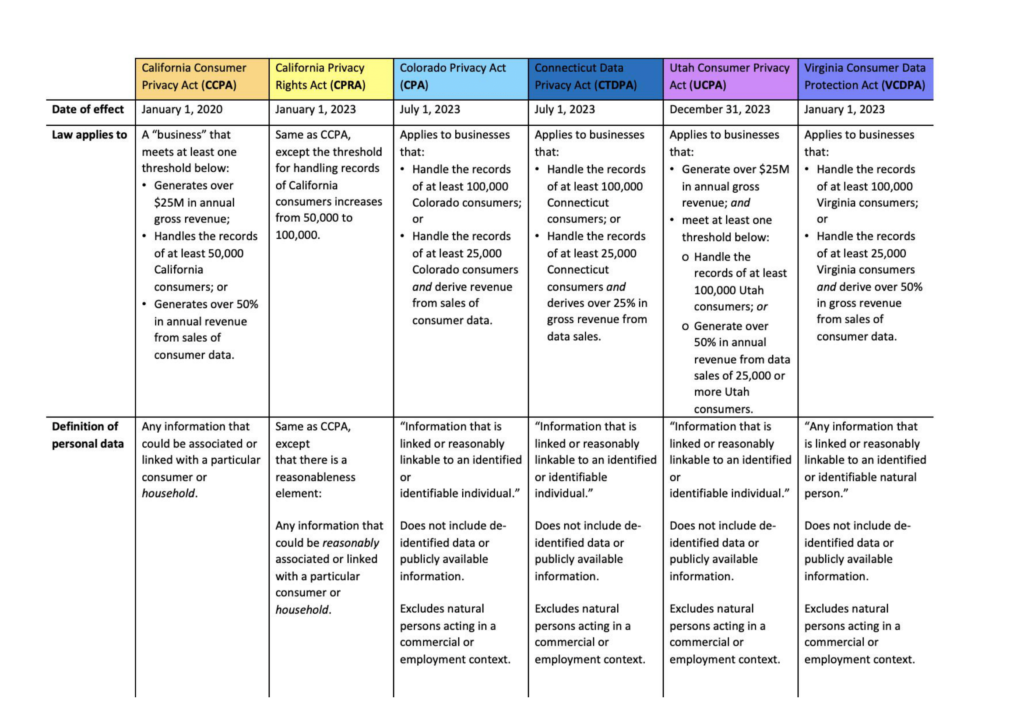
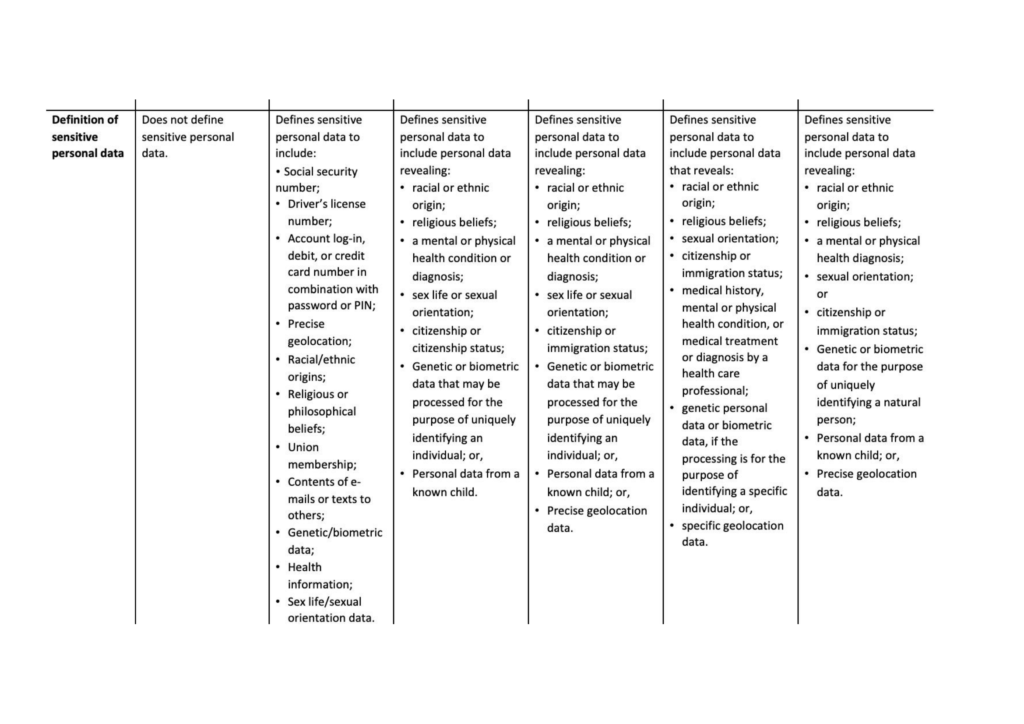
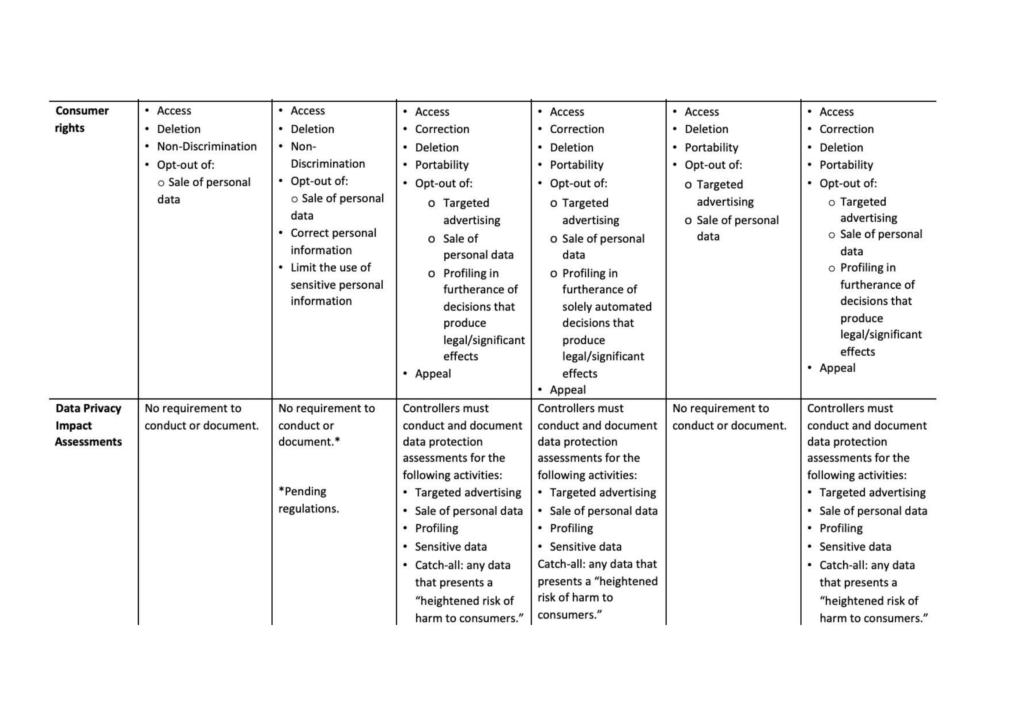
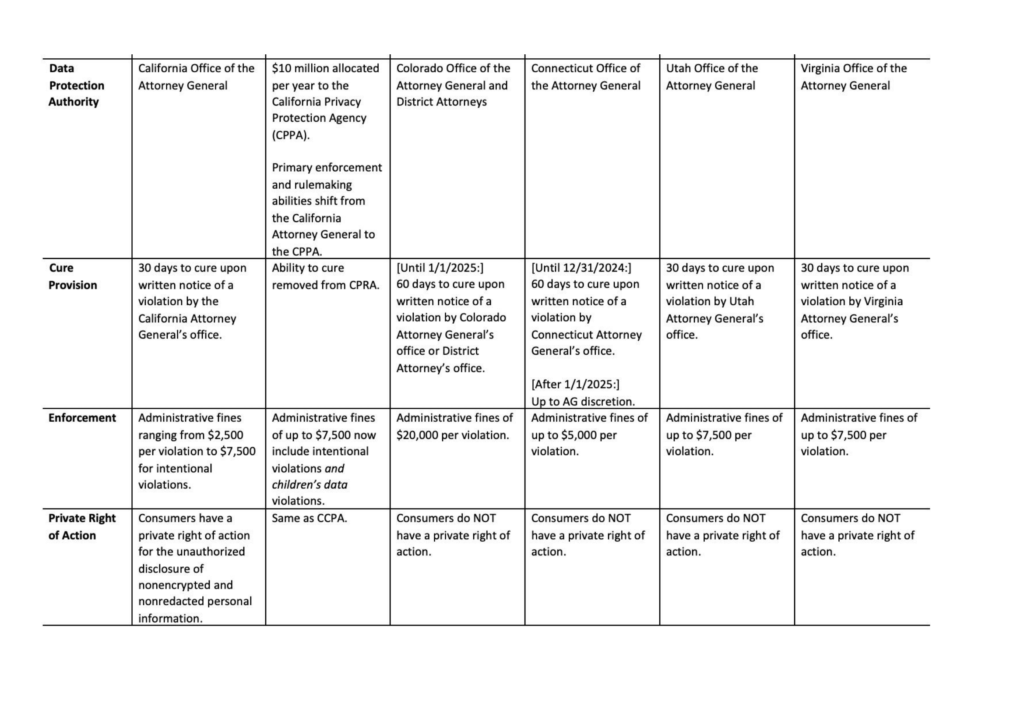
So far, California remains the only state which allows for a private right of action in connection with its privacy bill. For more information, please see our comparison of the current U.S. state consumer privacy laws below.

For our unofficial redline of the CPRA, click here.

Follow these links for the official text of the CPRA, CPA, CTDPA, UCPA, and VCDPA.

To view and download a PDF version of this chart, click here.

1 2 3 4 5